Straight-Line Access & Retrieval Efficiency
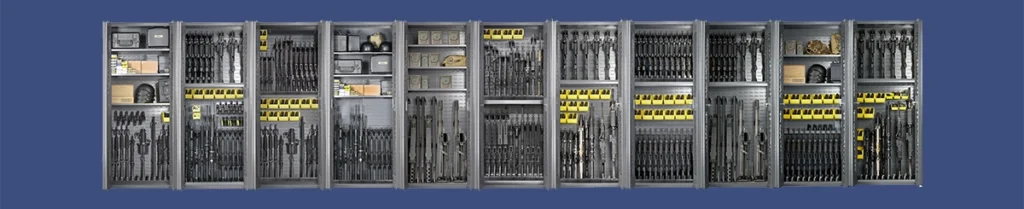
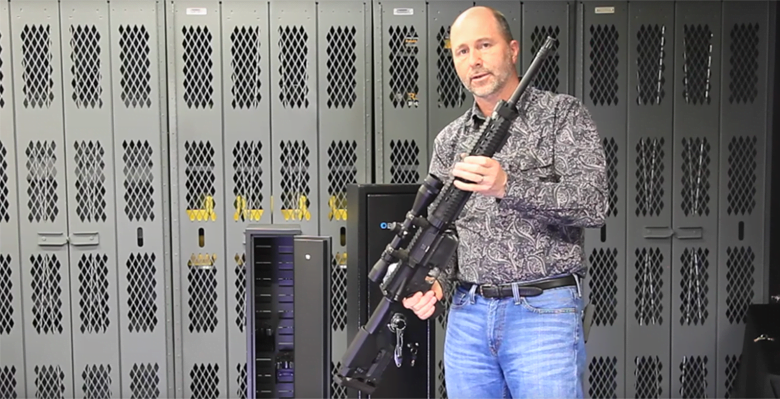
When I began working inside U.S. Army Special Forces armories, one problem appeared everywhere: it took too long to retrieve weapons, and far too many were being damaged in the process.
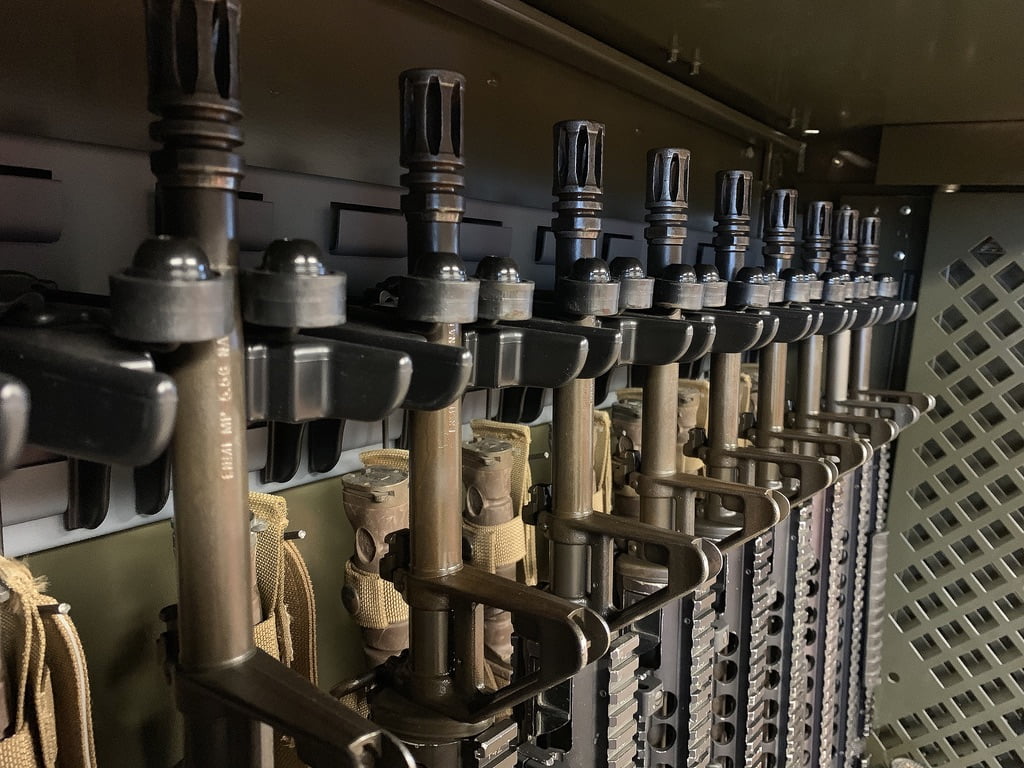
Rifles were stacked and tangled in deep racks. Optics struck shelves, adjacent weapons, and sidewalls. Armorers routinely had to move two or three rifles just to access one. Under operational pressure, that level of inefficiency isn’t just inconvenient—it’s unacceptable.
Solving that problem led to one of the core engineering principles behind modern armory storage and the CradleGrid™ system: straight-line access.
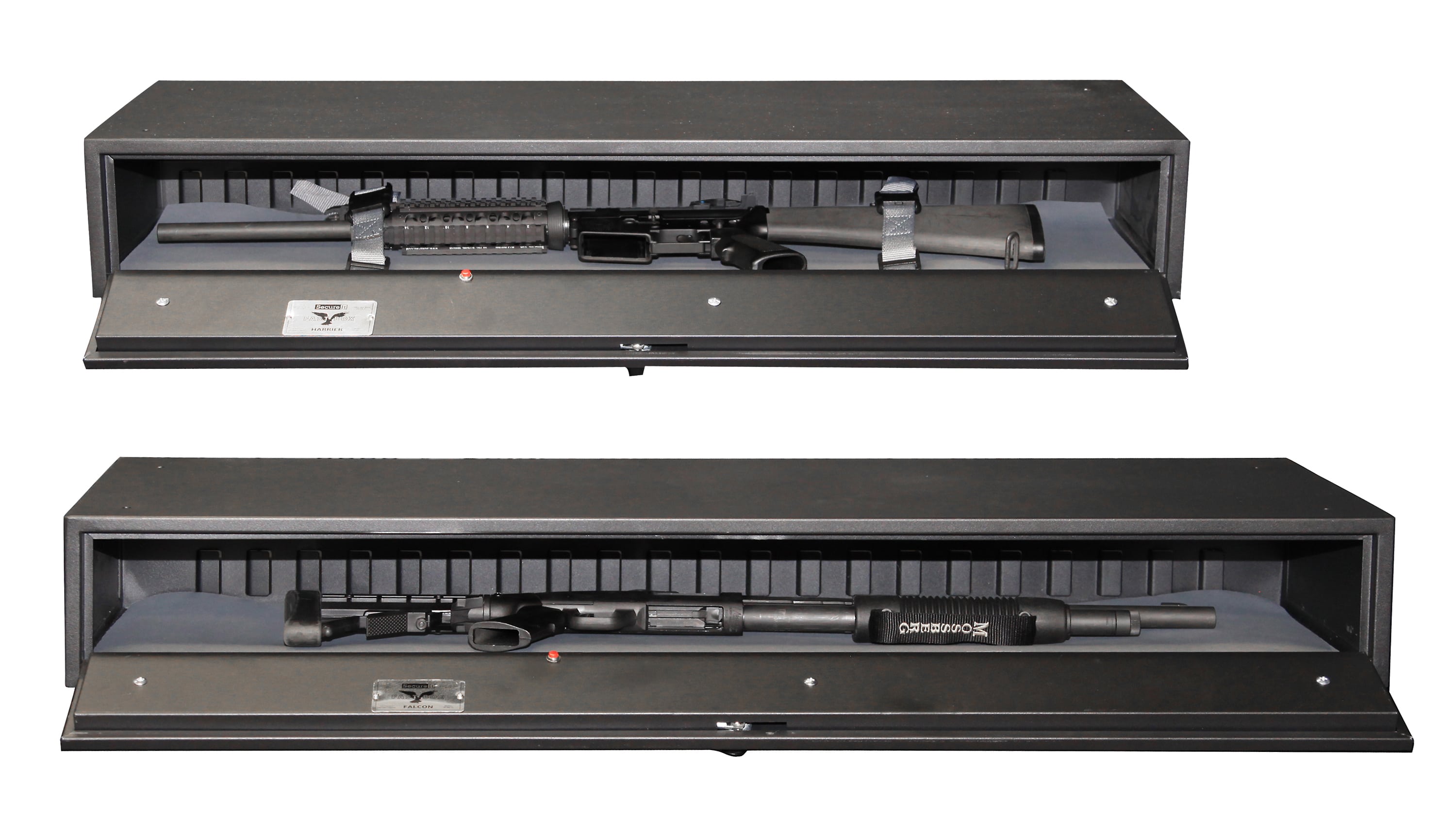
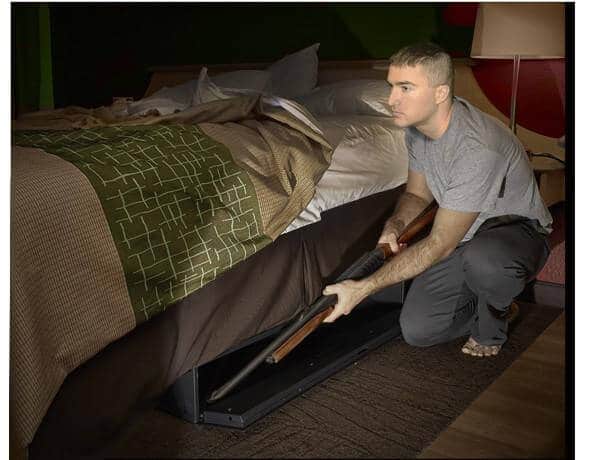
A weapon should be removed with one hand, in a single clean motion, without contacting other weapons or the storage structure itself.
This principle dramatically improved efficiency in military armories. It should also define how firearms are stored in the home.
What Straight-Line Access Actually Means
Straight-line access is not a marketing phrase. It is an engineering standard.
A storage system supports straight-line access when every firearm has a clear path of travel out of the rack or safe. Nothing needs to be shifted or moved first. The retrieval motion is predictable and repeatable, and optics, lasers, and accessories are isolated from impact points.
If a rifle must be tilted around shelves, dragged across another firearm, or maneuvered to avoid hitting the wall of the safe, the system has already failed this principle. Those extra movements introduce friction, increase the chance of damage, and slow access when speed matters.
Why Straight-Line Access Was Critical in Military Armories
In military armories, inefficient retrieval creates operational problems that ripple through the entire system. Slow access delays issue and return cycles, increases wear on weapons and optics, and forces armorers to spend unnecessary time managing poorly designed racks.
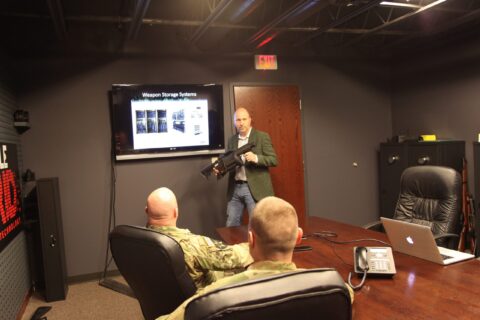
During SOCOM armory evaluations, the same patterns appeared repeatedly: rifles stacked deep in racks dragging across each other, optics striking shelves during removal, and poorly placed brackets creating snag hazards. Armorers were often forced to physically “fish” weapons out of storage.
The solution was not heavier racks or thicker steel. The solution was redesigning the path the weapon travels during retrieval.
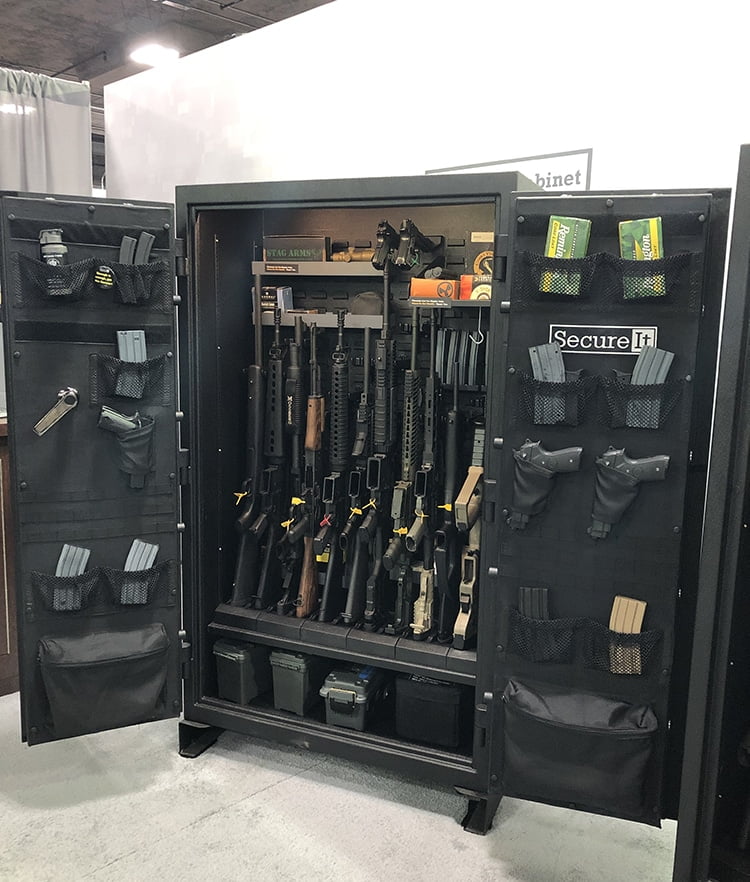
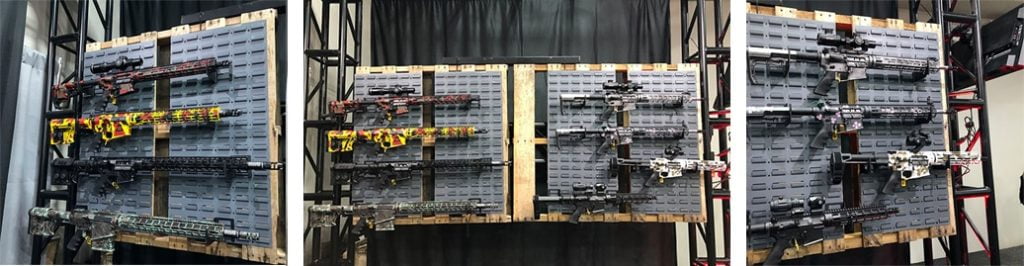
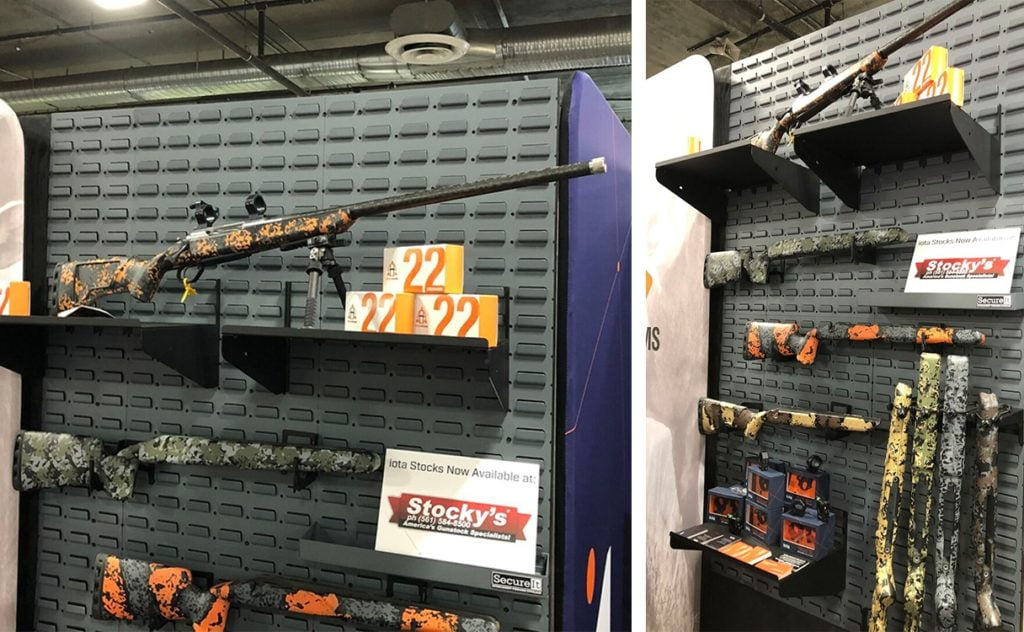
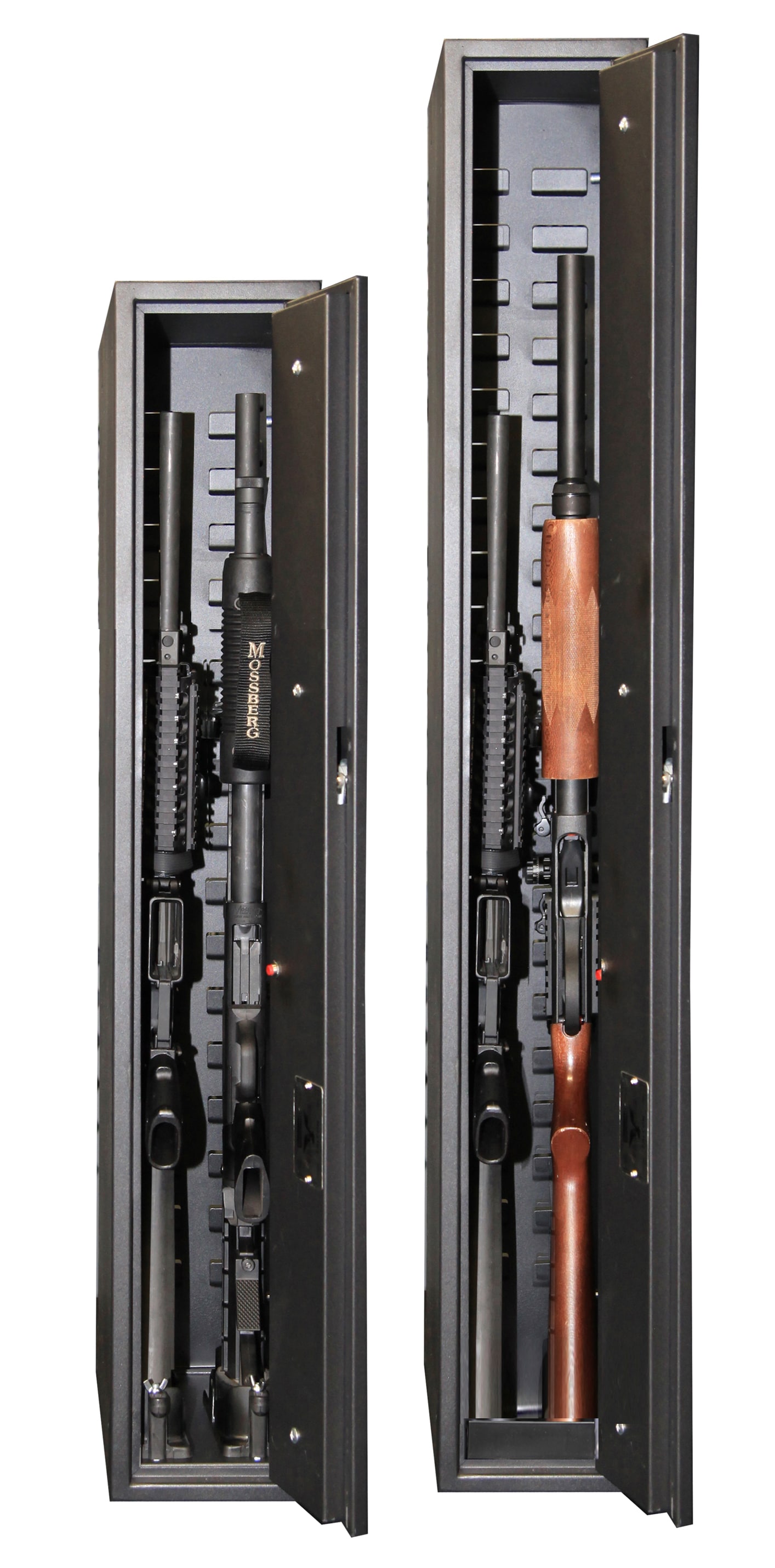
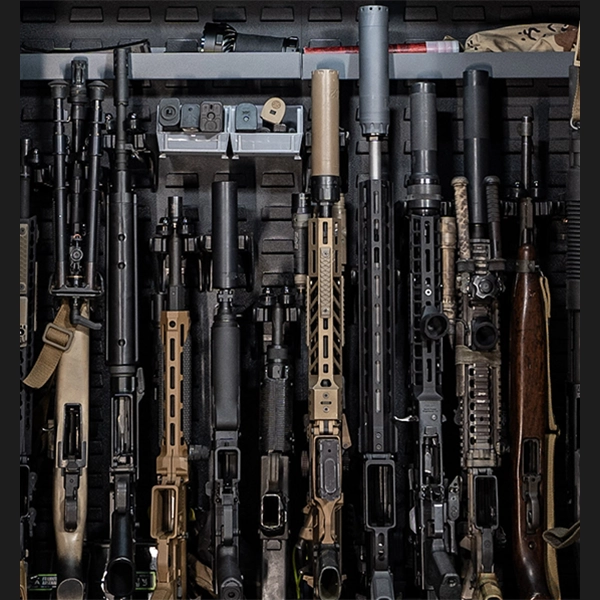
CradleGrid™ enforces straight-line access by supporting each rifle independently, positioning weapons at the correct height and offset from the back wall, and maintaining consistent spacing between firearms. This eliminates contact with shelves, sidewalls, and neighboring rifles.
The result across military armories was immediate: faster issue and return cycles, reduced equipment damage, and a significant drop in handling problems.
How CradleGrid™ Enables Straight-Line Access
CradleGrid™ achieves this through three integrated components working together as a system.
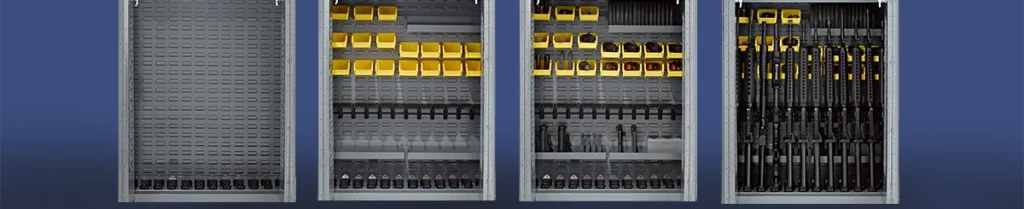
Grid panels provide the vertical mounting surface and allow precise positioning of all support components. Cradles hold the rifle at the correct height and depth while protecting optics and accessories from contact points. Stock bases stabilize the buttstock, control spacing between weapons, and create a consistent load path into the cradle.
Together these elements create a predictable retrieval path: the hand moves to the grip, the rifle lifts, and the firearm pulls straight out.
There are no extra motions. No shifting other rifles. No fighting the safe.
Retrieval Efficiency: Motions Matter More Than Seconds
Many people think about access in terms of time. In armory design, I focus on motions.
Traditional storage requires a sequence of movements: moving one rifle, shifting another, tilting the desired weapon around a shelf, clearing the optic, and finally extracting the firearm.
Straight-line storage simplifies this dramatically. The user grips the rifle, lifts slightly, and pulls straight out.
Reducing motions lowers cognitive load, minimizes opportunities for error, and significantly decreases the likelihood of striking optics or accessories. In military environments this improved issue and return efficiency across units. In the home, it translates into faster and safer access—especially in high-stress situations.
Straight-Line Access in the Home
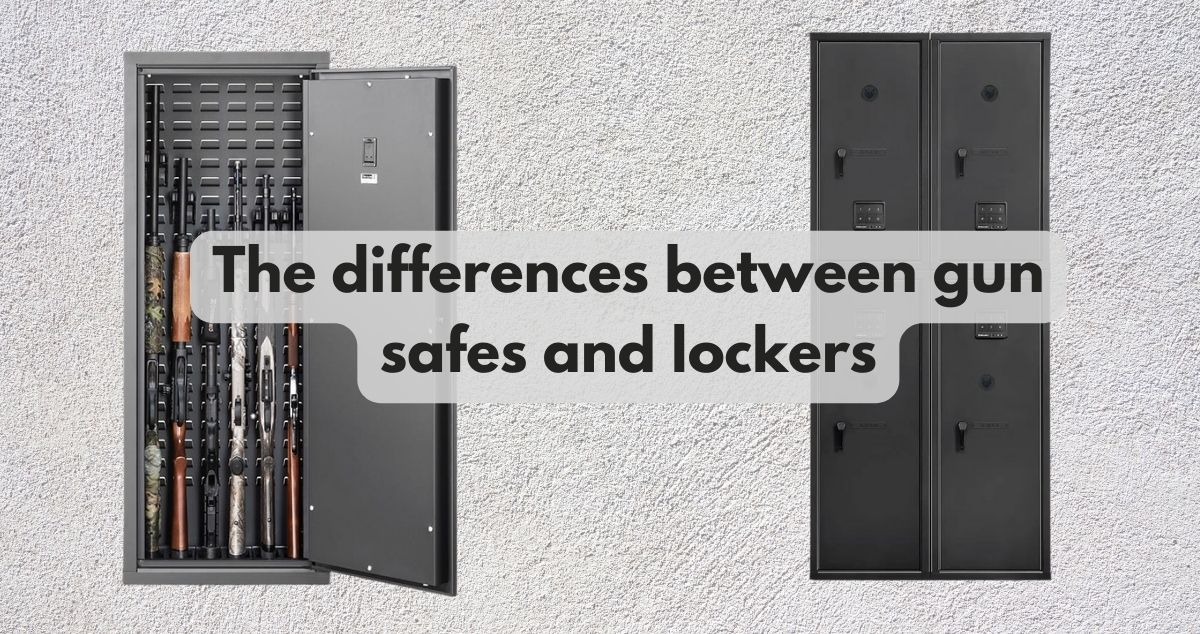
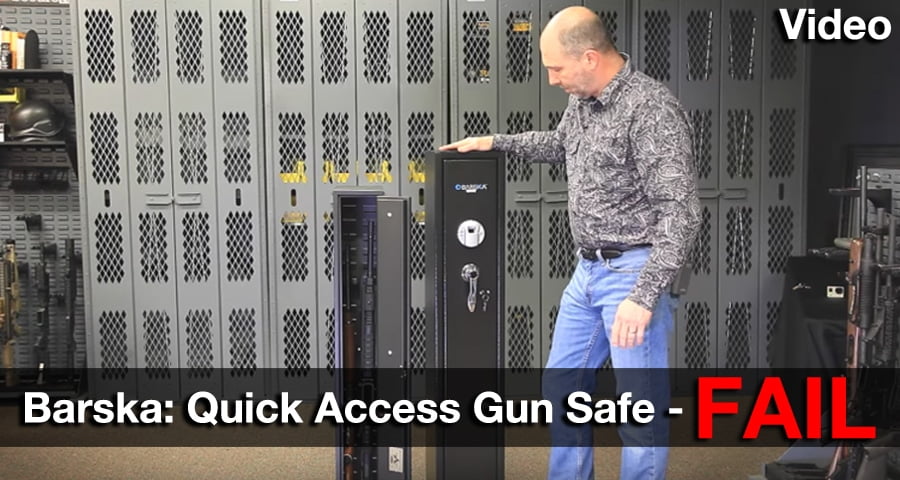
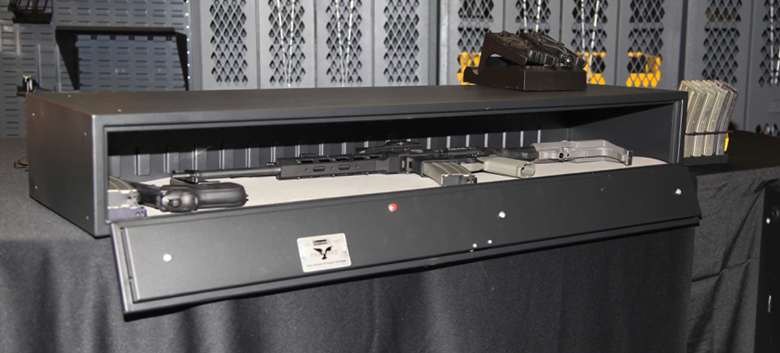
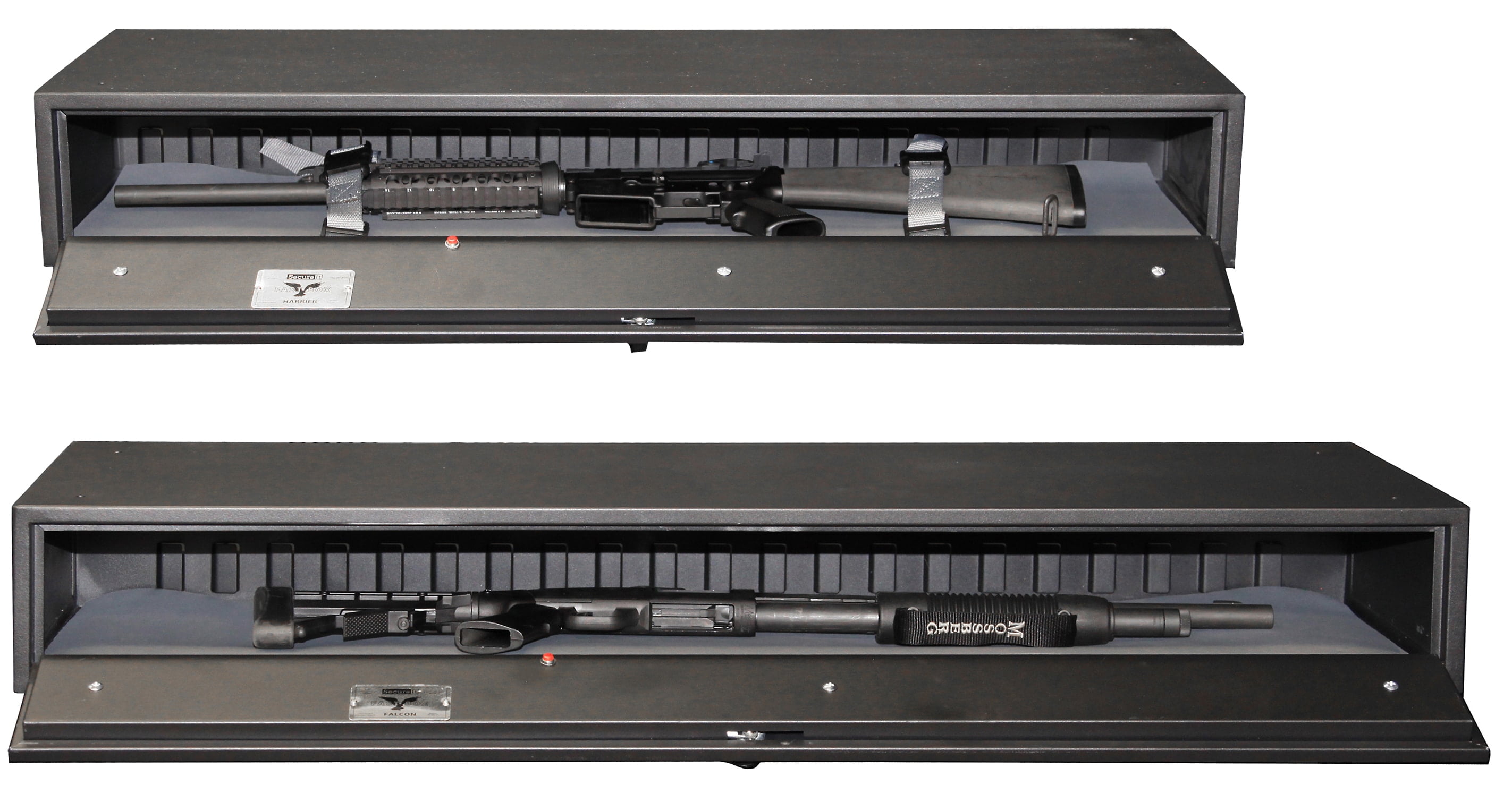
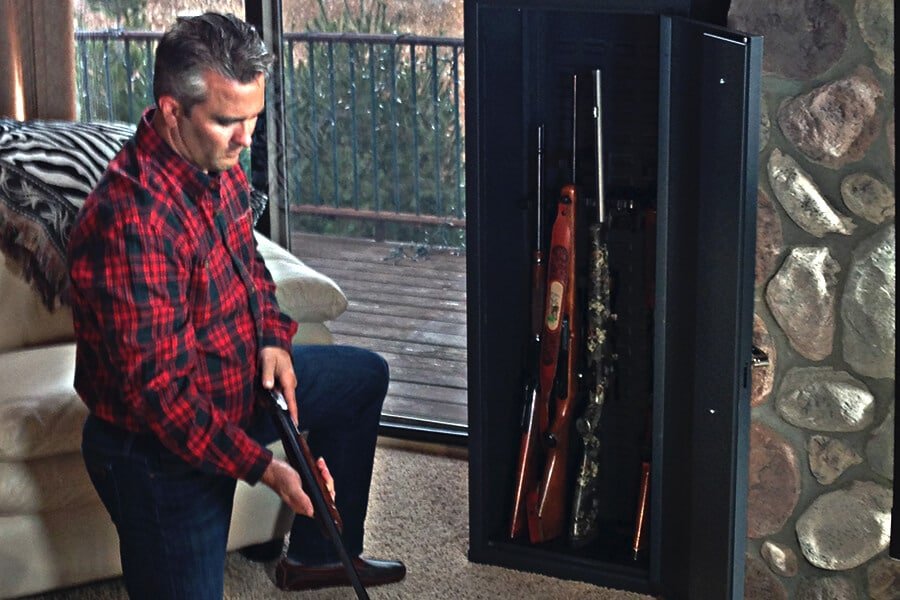
Most consumer gun safes fail this principle entirely.
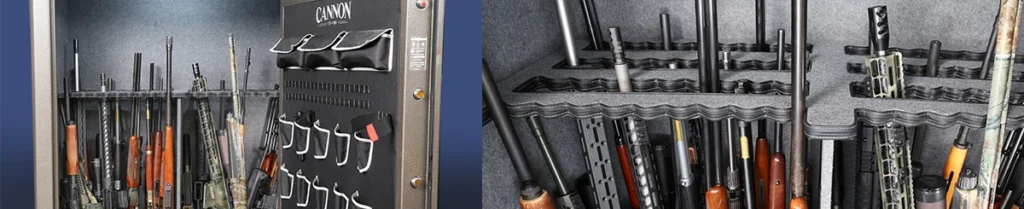
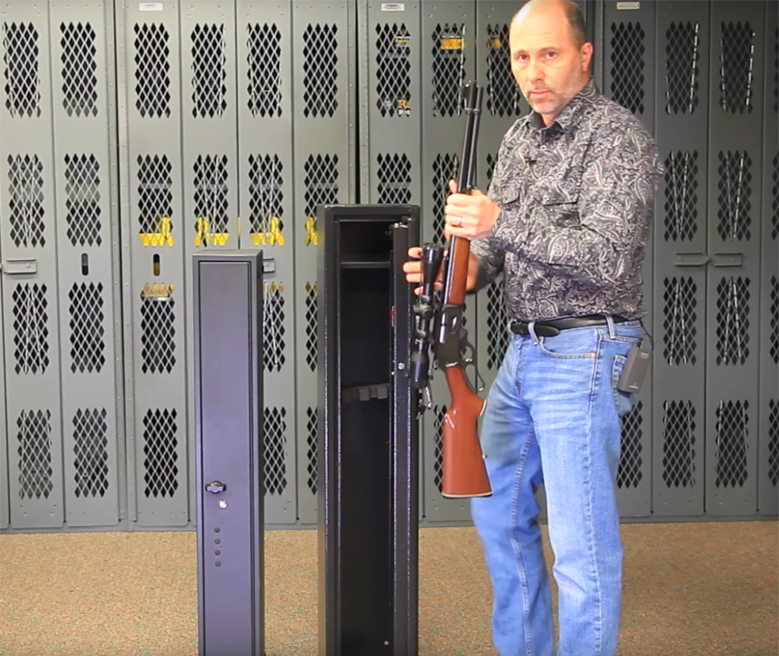
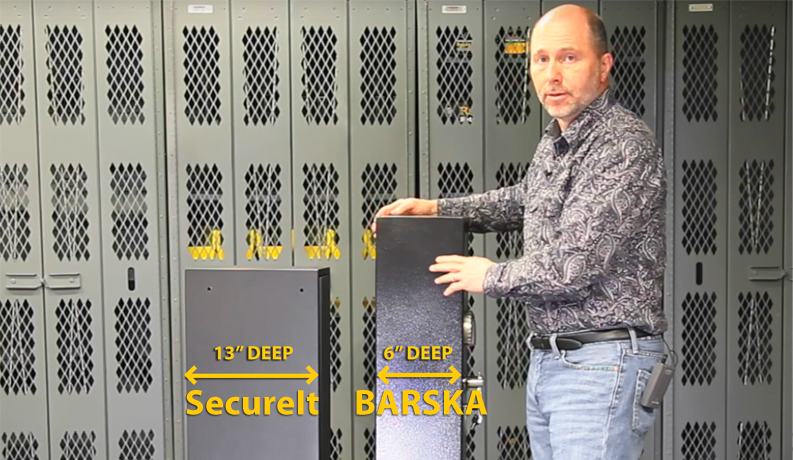
Rifles are forced into U-shaped barrel notches, interiors are too deep to access cleanly, and shelves were never designed to accommodate optics or suppressors. Retrieval often requires two hands, multiple movements, and awkward angles.
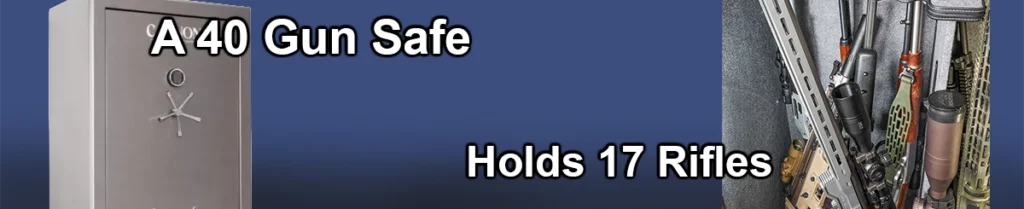
As a result, many gun owners avoid accessing their safe unless necessary, accept equipment damage as normal wear, and struggle to fit even half the advertised capacity.
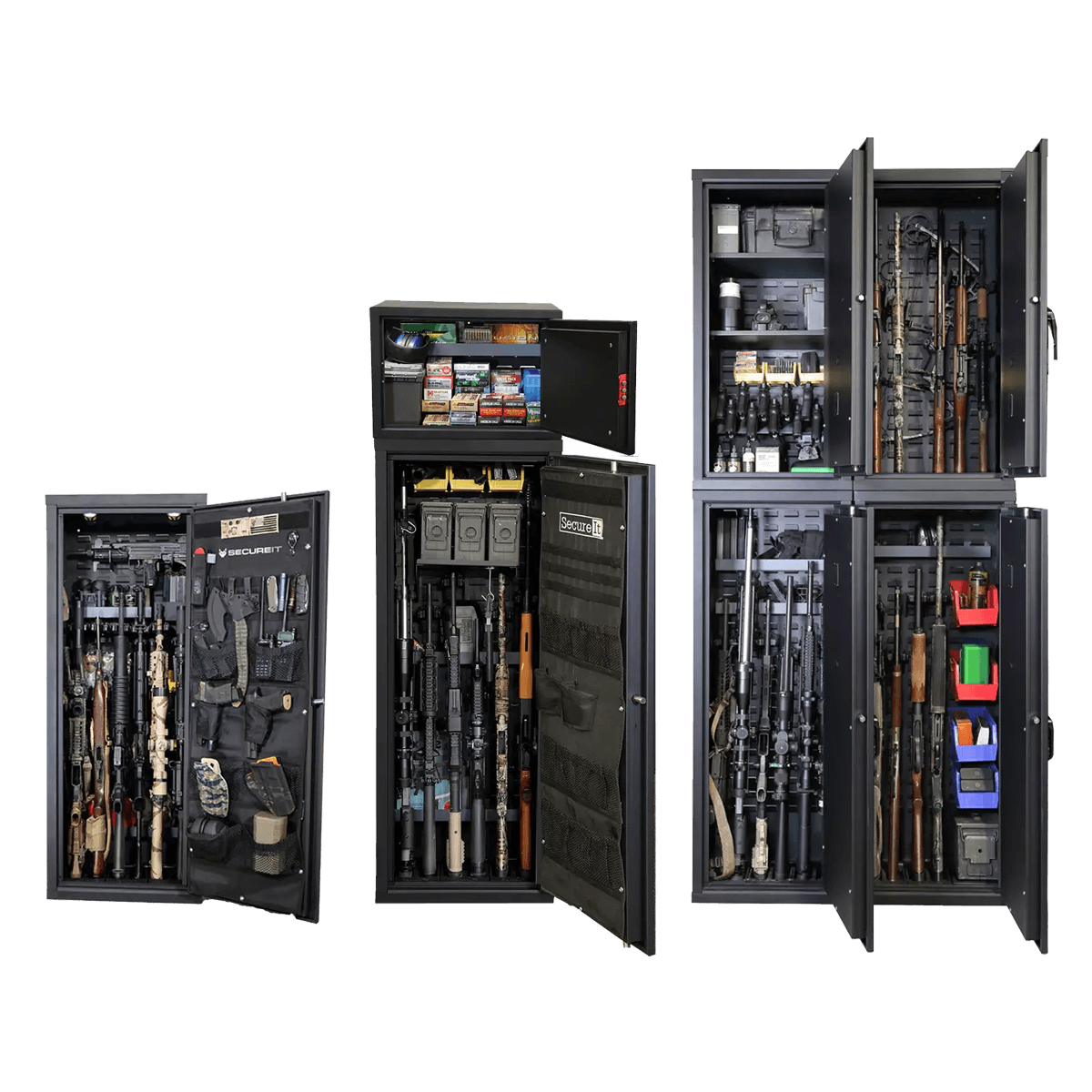
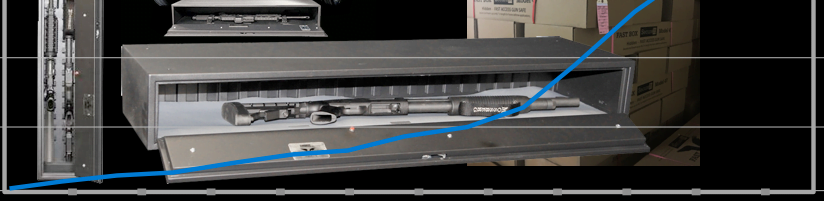
When straight-line access principles are applied at home through systems like CradleGrid™, the difference is immediate. Each firearm has a clear retrieval path, optics and mounts remain protected, and the safe feels organized rather than congested.
This becomes particularly important for defensive rifles, optics-heavy AR platforms, home-defense shotguns, and frequently used training or range firearms.
Traditional Storage vs. Straight-Line Access
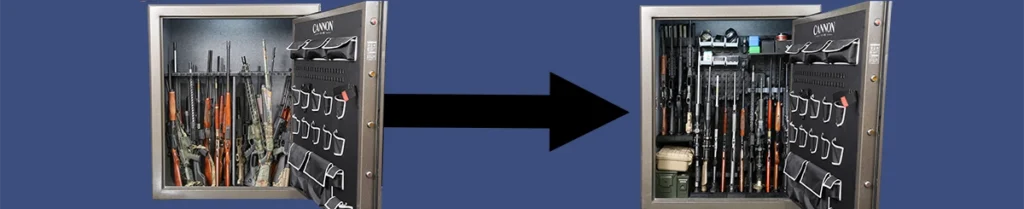
Traditional safe interiors force rifles to lean or stack together. Optics strike shelves or neighboring firearms, and retrieving one weapon often requires moving several others. Access becomes slow, awkward, and unpredictable.
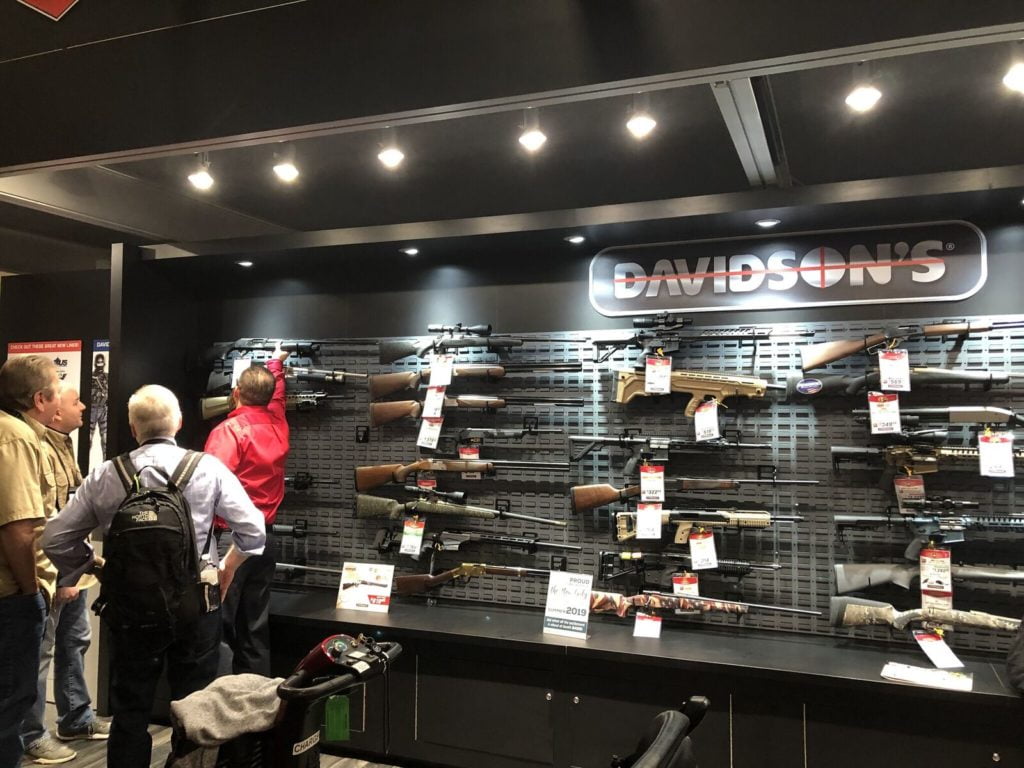
Straight-line storage eliminates these issues. Each firearm occupies its own lane, contact between weapons is removed, and retrieval becomes a single intuitive motion. The layout becomes predictable for anyone using the system, whether during daily use or under stress.
Why Straight-Line Access Will Define Modern Storage
Firearms continue to evolve. Optics, suppressors, and accessory-rich configurations are now the norm. As those systems become more complex, the gap between traditional “big box” safes and engineered storage systems will continue to widen.
Straight-line access is one of the clearest dividing lines.
It is measurable.
It is repeatable.
And it directly impacts safety, efficiency, and equipment protection.
This is why CradleGrid™ was designed the way it was—and why the principle now shapes both military armories and modern home firearm storage.
Included Articles:
• How SecureIt Modernized U.S. Military Armories
• Military Principles Applied to the Home
• CradleGrid™ Technology & Patents Explained
• Straight-Line Access & Retrieval Efficiency
Technical References
CradleGrid™ Patents
• U.S. Patent 8,678,206 — Modular weapon-storage architecture
• U.S. Patent 9,345,323 — Adjustable cradle components
• U.S. Patent 9,565,935 — Grid-based storage interface
• U.S. Patent 10,113,571 — Enhanced modular weapon-support system
Military Storage Doctrine
• DoD 5100 Series — Physical Security: Weapons Storage & Maintenance
• U.S. Army CASCOM — Arms Room Operations Guidelines
• NAVFAC — Weapons Storage Facility Criteria
• U.S. Army TACOM — Lifecycle equipment & storage-effect studies
• DLA Maintenance Bulletins — Equipment degradation due to improper storage
Systems Engineering & Modularity
• Baldwin & Clark — The Power of Modularity
• MIT Engineering Systems Division — Distributed Modularity Studies

By Line
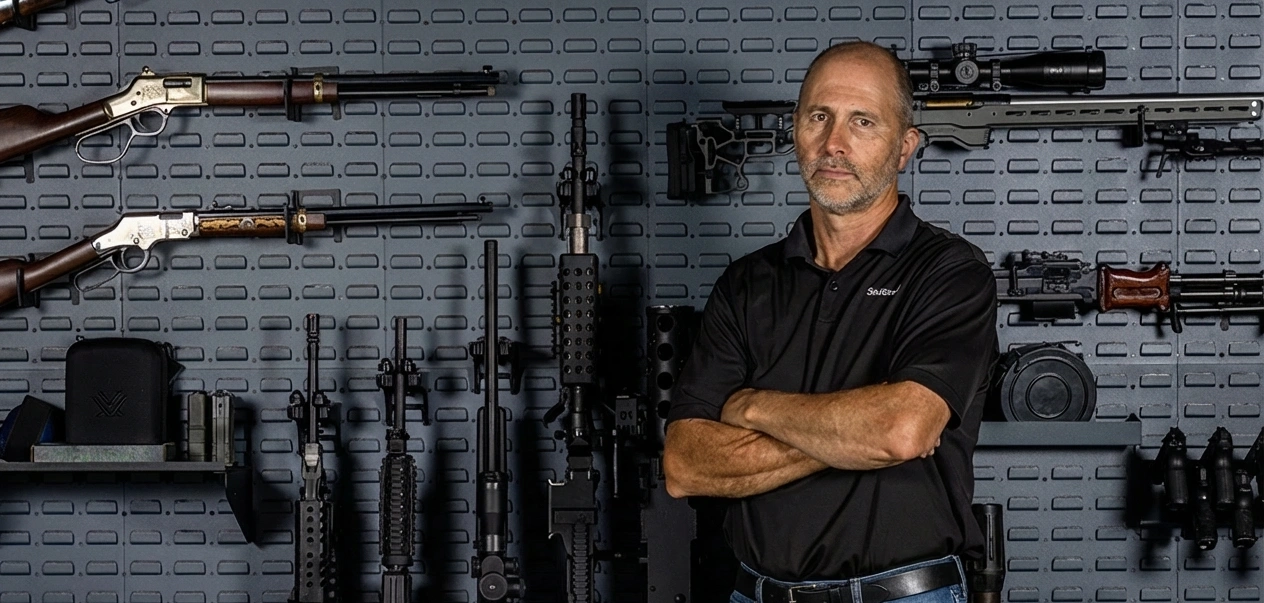
Tom Kubiniec is the President and CEO of SecureIt Tactical and a recognized authority on firearm storage and armory design. He has spent decades designing, evaluating, and correcting weapon storage systems, including the modernization of armories used by U.S. military and law-enforcement units.rnrnKubiniec is the inventor of CradleGrid®, a modular weapon-storage system developed to replace the fixed interiors and poor access common in traditional gun safes. His work centers on building storage systems that protect equipment, allow clean and repeatable access, and remain functional as firearms and gear change over time.
Why Secureit Gun storage
Our Passion for Properly Stored Firearms Runs Deep.
In 2001, the Department of Defense called on CEO Tom Kubiniec to transform their cluttered weapon racks into organized, efficient weapon storage systems.